
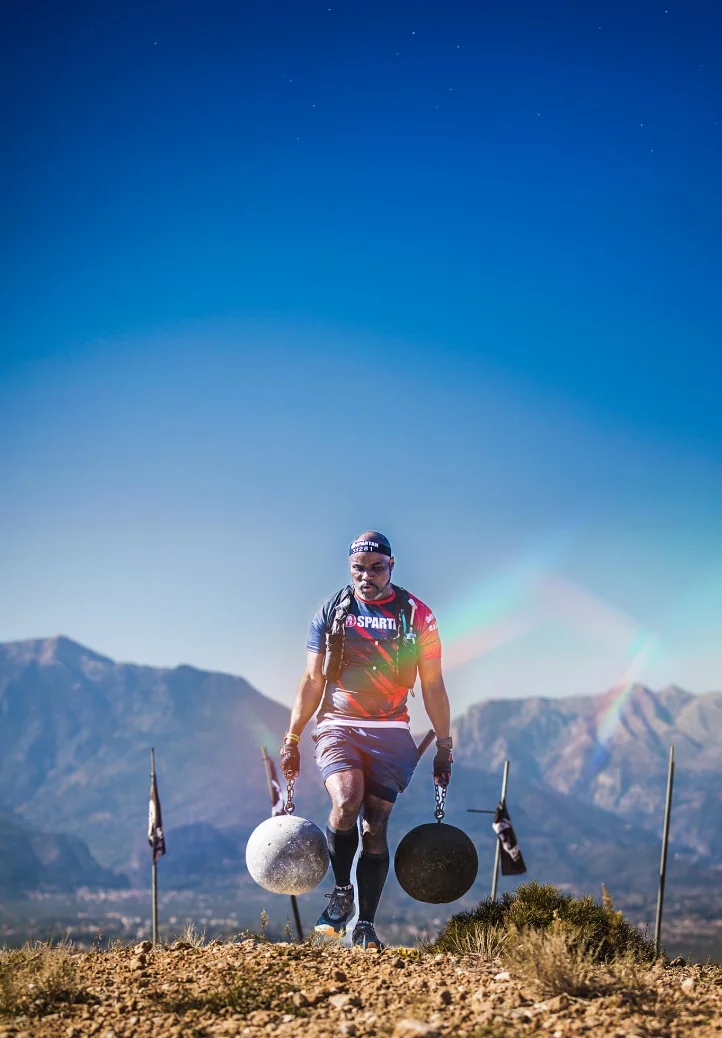
Service guide
Your race-day checklist: everything to pack and prepare
Documents and bib, clothing chosen for the forecast, the shoes you always train in, your own food and water, and a bag for after the finish. Get it all ready the night before and arrive with time to spare: on race day, running should be the only thing on your mind.
The checklist in 30 seconds
- Must-haves
- ID, registration confirmation and bib
- Clothing
- Technical, layered and tested in training
- Shoes
- Your usual pair, suited to the terrain
- Food and water
- Your usual breakfast and only what you have tried before
- After the finish
- Dry clothes, a towel and a bag for wet kit
- The night before
- Everything laid out, then arrive early
Documents and bib: what you cannot forget
The first things into your bag are the ones that get you to the start line. Many organisers ask for photo ID to collect your bib, and some also want your registration confirmation or a QR code on your phone. Check the race email a few days before: it usually explains when and where to collect your bib and what to bring.
How you wear the bib depends on the event. At a road race it goes pinned to your chest, clearly visible; at a Spartan it is usually a headband, alongside a timing chip; at a DEKA, follow the organisers’ instructions. If it comes with safety pins, attach it the night before.
- Photo ID (national ID card or passport).
- Registration confirmation or QR code, also saved for offline use.
- Bib, timing chip and safety pins, if you received them in advance.
- Signed waiver or consent form, if the race requires one.
- A card or some cash, and a charged phone.
Clothing for the weather
The rule is simple: technical fabrics you have already worn in training, never cotton, which soaks up sweat and water and gets heavy. Check the forecast the day before and again in the morning, because early on it is often colder than it will be mid-race.
In the cold, wear a layer you can shed before the start (an old T-shirt or a light rain jacket does the job). In the heat, a cap, sunglasses and sunscreen. At a Spartan, expect mud and water even on a sunny day: close-fitting kit snags less on the obstacles. At a DEKA, usually held indoors, comfortable clothing that lets you move freely in every zone is enough.
- Cold: a throwaway warm layer, or one that is easy to leave at the bag drop.
- Rain: a light rain jacket and a cap to keep water off your face.
- Heat: cap, sunglasses, sunscreen and light-coloured clothing.
- Spartan: close-fitting, quick-drying kit with nothing hanging loose.
Shoes: your usual pair, suited to the terrain
Race day is not the day to break in new shoes. Wear the pair you used for your last long training sessions, laces tied firmly, and double-knotted if they tend to come undone.
On the road, your usual running shoes. At a Spartan, trail shoes with good grip that drain water help in the mud and on the climbs. At a DEKA, look for stability for the changes of direction and the strength exercises. Whatever the race, a spare pair of technical socks takes up almost no room.
Food and water: nothing new on race day
Eat the breakfast you have before your long training sessions, leaving a few hours before your start. If you are staying in a hotel, ask when breakfast opens or bring something you know agrees with you.
During the race, carry only what you have tried before: gels, electrolytes or bars. Over short distances you may need nothing at all; over long ones, a bottle or a hydration vest keeps you going between aid stations. Check the race guide to see where they are and what they offer.
The bag for after the finish
Crossing the line is only half the day. A well-packed bag is the difference between standing around cold and wet and recovering in comfort. If the race has a bag drop, check its opening times and leave your bag in good time.
- A full change of dry clothes, including underwear and socks.
- A towel and, at a Spartan, wipes or something to get the mud off.
- A plastic bag for wet clothes and shoes.
- Sliders or comfortable footwear.
- Something to eat and drink to recover.
- A warm layer, even if the weather is good.
The night before and arrival: prepare everything, arrive early
The night before, lay out everything you plan to bring on the floor or the bed and go through it with this list. Pin your bib, charge your watch and phone, leave breakfast within reach and set two alarms. Check your start time or wave and how to get to the start area.
On race day, give yourself time to park or get off the shuttle, collect your bib if you do not have it yet, drop your bag, use the toilets and warm up without rushing. With a Pulse pack, your bib pickup and transfer are already sorted, so all you have to do is turn up on time.
Race-day checklist FAQ
How early should I arrive at the race?
It depends on the event and on whether you already have your bib, but leave enough time to park, drop your bag, use the toilets and warm up. Check the race guide: many organisers give a recommended arrival time for each wave or start.
What happens if I forget my bib?
Every organiser has its own policy, and not all of them can issue a new bib on the day. That is why it is worth pinning it on or packing it the night before. If it does happen, go to the information point as soon as you can with your photo ID.
Can I wear new shoes or clothes on race day?
Better not. Shoes or kit you have not tested can cause chafing or blisters halfway round. Wear what you have already used on your long training sessions and save anything new for after the race.
What changes between a road race, a Spartan and a DEKA?
The basics are the same: bib, technical clothing, tested shoes and familiar food. At a Spartan, expect mud and water, so you need shoes with grip and a good bag of dry clothes. At a DEKA, usually indoors, the weather matters less and comfort for moving in each zone comes first.
Do I need to carry water if there are aid stations?
Over short distances, the aid stations are usually enough. In long races or in the heat, a bottle or a hydration vest gives you independence. Check in the race guide where the aid stations are and what they offer before deciding what to carry.
Keep reading
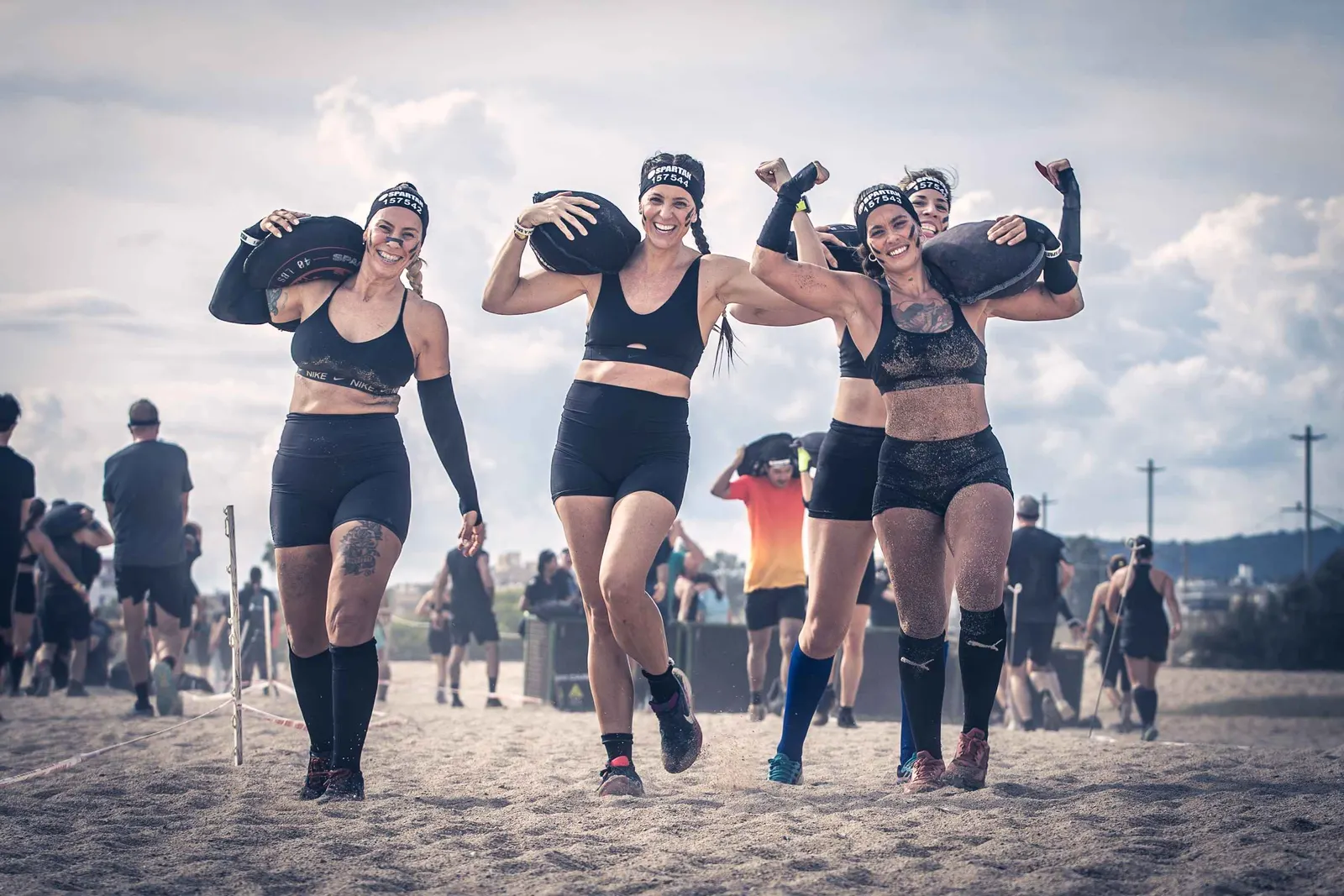 First SpartanYour first Spartan Race: which format to pick, what the course is like, what to wear and bring on the day, and how a Pulse pack sorts out everything else.Read →
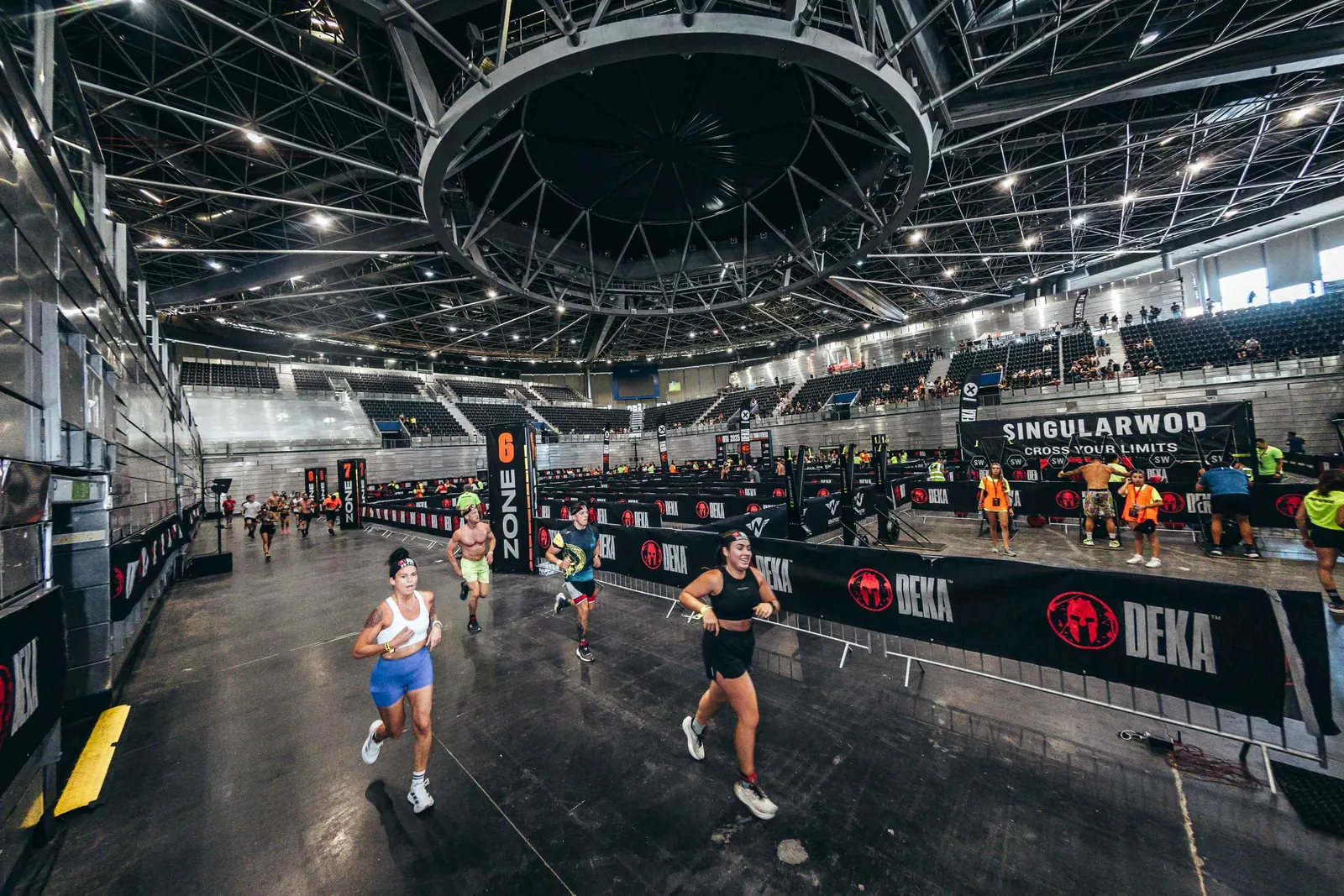 What is DEKAWhat DEKA is, how its 10 zones work and how DEKA FIT, DEKA MILE, DEKA STRONG and Teams differ. Find out which to start with and where to race DEKA in Spain.Read →
 First 10KAn 8-week plan to run your first 10K: from walk/run intervals to running non-stop, how to tell you are ready, and how to pace yourself on race day.Read →
List done, now all that is left is to run
Save this checklist, go through it the night before and get to the start with time to spare. What you prepare the night before is not forgotten in the morning.