
Service guide
Running in hot weather: how to look after your body in training and on race day
You do not beat the heat with willpower; you manage it. Give your body time to adapt, pick your moment, protect yourself from the sun, drink sensibly and adjust your pace. If something feels wrong, stop. This is general information: Pulse is not a medical service, and your doctor is the one to advise you.
Running in the heat in 30 seconds
- Adapt
- Build up your exposure to the heat gradually over several days
- Pick the hour
- Train early or late in the day, away from the strongest sun
- Protect yourself
- Light, pale clothing, a cap and sunscreen
- Adjust
- Drink sensibly and slow down without guilt
- Listen
- Dizziness, confusion or nausea: stop and ask for help
Why heat changes the race
Running makes your body produce a lot of heat, and it has to get rid of it, mostly by sweating. When the air is already hot or humid, that cooling system struggles and the same effort becomes harder work.
That is why a pace that felt easy in spring can feel heavy in midsummer. It is not a lack of fitness: your body is splitting its energy between moving and keeping cool.
Acclimatising: give your body a few days
Your body does adapt to heat, just not overnight. If you are racing somewhere warmer than where you train, expose yourself gradually in the days or weeks beforehand, starting with short, easy sessions.
If you are travelling to the race, arriving with some time to spare helps you settle into the climate. Even if you feel fine, the first few days are not the time to chase personal bests.
- Start with short runs at a comfortable pace
- Increase the duration little by little, not the intensity
- Rest properly: good sleep is part of adapting too
Choosing your moment: timing and planning
On hot days, early morning and late evening are usually the most bearable times to run. Look for shaded routes, close to water fountains, or loops you can cut short if you need to.
On race day you do not choose the start time, but you do choose what you do beforehand: avoid standing in the sun for long, find shade near the start and keep your warm-up to the minimum you need.
Clothing and sun protection
Choose light, breathable, pale-coloured kit that does not hold on to sweat. A cap or visor and sunglasses protect your head and eyes, and sweat-resistant sunscreen on exposed skin is a must.
Try your kit out in training before race day: chafing is worse in the heat and with sweat.
- Light technical fabrics in pale colours
- A cap or visor and sunglasses
- Sweat-resistant sunscreen, applied before you head out
Drinking sensibly and adjusting your pace
Arrive at the start well hydrated by drinking normally in the days before, and during the race use the aid stations according to your thirst. Forcing down large amounts is not a good idea either: needs vary a lot from person to person, and your doctor can guide you if you are unsure.
In the heat, your target pace takes a back seat. Start more conservatively than usual, go by feel and accept that the clock will read slower that day. Finishing well is worth more than a time.
Warning signs: when to stop and ask for help
Some signs tell you the heat is getting the better of you. If you notice any of them, stop running, get into the shade and tell the race medical staff or any volunteer. Do not try to reach the finish at all costs.
Keep an eye on the runners around you too: someone who is disoriented may not realise what is happening to them. Alerting the organisers can make all the difference.
- Dizziness, light-headedness or feeling faint
- Confusion, disorientation or unusual behaviour
- Stopping sweating despite the effort and the heat
- Nausea, vomiting or a severe headache
Pulse is not a medical service
This article is general information and does not replace advice from a healthcare professional. Talk to your doctor before training or racing in the heat, especially if you have a medical condition or take any medication.
On race day, if you feel unwell, ask the race medical staff for help: that is what they are there for.
Frequently asked questions about running in the heat
How long does it take to acclimatise to the heat?
It varies from person to person, but it is not a matter of one day: your body needs gradual exposure over several days or weeks. Start with short, easy sessions and lengthen them little by little.
How much water should I drink when running in the heat?
There is no single figure that works for everyone. Arrive well hydrated, drink to thirst at the aid stations and do not force yourself to drink more. If you are unsure about your own needs, ask your doctor.
Should I run slower when it is hot?
Yes. In the heat, the same pace takes more effort. Start more conservatively than usual, go by feel and forget about your time that day.
What should I do if I feel unwell during a race?
Stop, get into the shade and ask the race medical staff or a volunteer for help. Dizziness, confusion, nausea or no longer sweating are signs to stop, not to push on.
Does this article replace medical advice?
No. Pulse is not a medical service and this guide is general information only. Talk to your doctor, especially if you have a medical condition or take medication, and on race day ask the medical staff for help if you feel unwell.
Keep reading
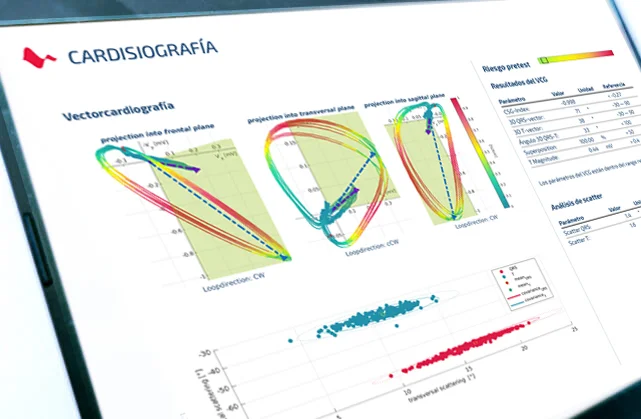
 Heart checkWhat the Cardisio heart check involves, how the resting test works and why to do it before a Spartan or DEKA. A few minutes, no effort, report in Pulse.Read →
 Sports medical check-upWhat a sports medical check-up usually involves, who should think about one and when, and how it differs from a quick screening. Always talk to your doctor.Read →
 Running injuriesKnee, shin, Achilles, plantar fascia and ankle: why the most common running niggles appear and which habits help prevent them. General info, no diagnosis.Read →
In the heat, you come first
Adapt in good time, protect yourself and match your pace to the conditions on the day. Talk to your doctor if you have any doubts and, during a race, do not hesitate to stop and ask the medical staff for help.