
Service guide
Sports medical check-up: what it is and when to get one
Before your first long race, or when you come back after a break, a sports medical check-up helps you train and race with more peace of mind. Here is what it usually involves and when to consider it, but the person who decides what you need is always your doctor.
The check-up in 30 seconds
- What it is
- A medical assessment designed for people who do sport
- What it usually covers
- Medical history, examination and an ECG
- Sometimes
- An exercise test, if the doctor sees fit
- When to consider it
- Starting out, after a break or before a bigger goal
- Who decides
- Your doctor: this article is general information only
First things first: this is general information, not medical advice
Pulse is not a medical service. This article gives a general overview of what a sports medical check-up involves so you can walk into the appointment knowing what to ask, but it is no substitute for a healthcare professional’s opinion.
Everyone is different. For any decision about your health, about whether you need a check-up or about whether you can race, always ask your doctor.
What is a sports medical check-up?
It is an assessment carried out by a doctor, usually one with a background in sports medicine, to understand your health in relation to the physical activity you do or want to do. It is not paperwork to get a certificate: it is a conversation about your body and your goals.
It serves two purposes: spotting anything worth looking into before you ask more of yourself, and giving you a starting point so you can train sensibly.
What it usually involves
The doctor decides what to include based on your situation, but a typical check-up tends to follow a similar structure.
If something stands out, the doctor may suggest further tests or refer you to a specialist. That is a normal part of the process.
- Medical history: your background, your family’s, your training and any symptoms you have noticed.
- Physical examination: a general check carried out by the doctor during the appointment.
- Resting electrocardiogram (ECG): a recording of your heart’s electrical activity.
- Exercise test: not always; the doctor judges whether it makes sense for you.
Who should consider one, and when
There is no single rule, which is why it is worth discussing with your doctor. Even so, there are moments when it makes particular sense to ask whether a check-up is right for you.
Bear in mind too that some races or federations may ask for a medical certificate when you enter: always read the rules of your event.
- When you take up sport or return after a long break.
- Before your first long race or a challenge tougher than anything you have done before.
- If you significantly change the volume or intensity of your training.
- Depending on your age or family history, always as your doctor advises.
- If you notice any symptom that worries you: in that case, do not wait for race day.
Medical check-up or quick screening: what is the difference?
A screening is a short, specific test that gives you information about one aspect of your health. It can be useful, but it looks at just one part of the picture and does not take into account your history or a doctor’s examination.
A sports medical check-up is a full assessment in which the doctor puts all the pieces together and decides which tests you need. That is why a screening can complement it but never replaces it.
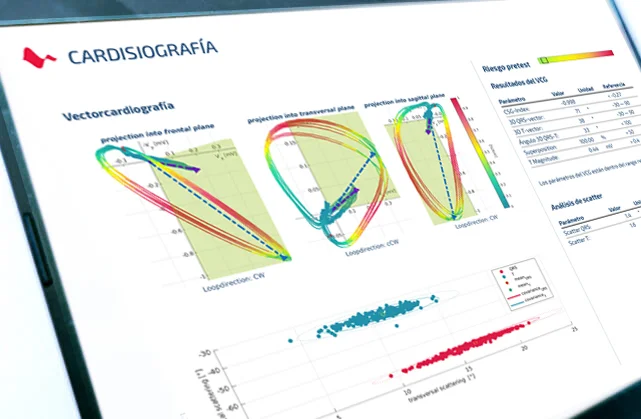
Before some races, Pulse offers the Cardisio heart check, a resting screening test that adds information about your heart but does not replace your doctor’s check-up.
How to get the most out of the appointment
Write your questions down beforehand and tell the doctor which races you have in mind, how much you train and how you have been feeling lately. The better they understand your context, the better they can guide you.
If you have had tests before, bring the reports. And keep the ones from your check-up: they will be a useful reference for future visits.
Sports medical check-up: frequently asked questions
Do I need a sports medical check-up to enter a race?
It depends on the race and the federation: some ask for a medical certificate and others do not. Check the rules of your event and, even if it is not required, ask your doctor whether a check-up is a good idea for you.
Does it always include an exercise test?
Not necessarily. The usual components are a medical history, an examination and a resting ECG; the doctor orders an exercise test when they consider it useful in your case.
How often should I repeat it?
There is no frequency that suits everyone. It depends on your age, your history and the sport you do, so your doctor is the best person to tell you.
Does a quick pre-race screening replace the check-up?
No. A screening such as the heart check gives useful information, but it is a brief, specific test. It does not replace your doctor’s full assessment or a sports medical check-up.
Can I use this article to decide whether I am fit to race?
No. Pulse is not a medical service and this article is general information only. For any decision about your health or about whether you can race, always ask your doctor.
Keep reading
 Heart checkWhat the Cardisio heart check involves, how the resting test works and why to do it before a Spartan or DEKA. A few minutes, no effort, report in Pulse.Read →
 Running injuriesKnee, shin, Achilles, plantar fascia and ankle: why the most common running niggles appear and which habits help prevent them. General info, no diagnosis.Read →
 Running in the heatHow to train and race in hot weather: acclimatisation, timing, clothing, sensible drinking, pacing and the warning signs that mean you must stop and get help.Read →
Train hard, race smart
Getting ready for a race also means looking after your health. If you have a goal on the calendar, talk to your doctor in good time: they are the person who can tell you what you need before the start line.