
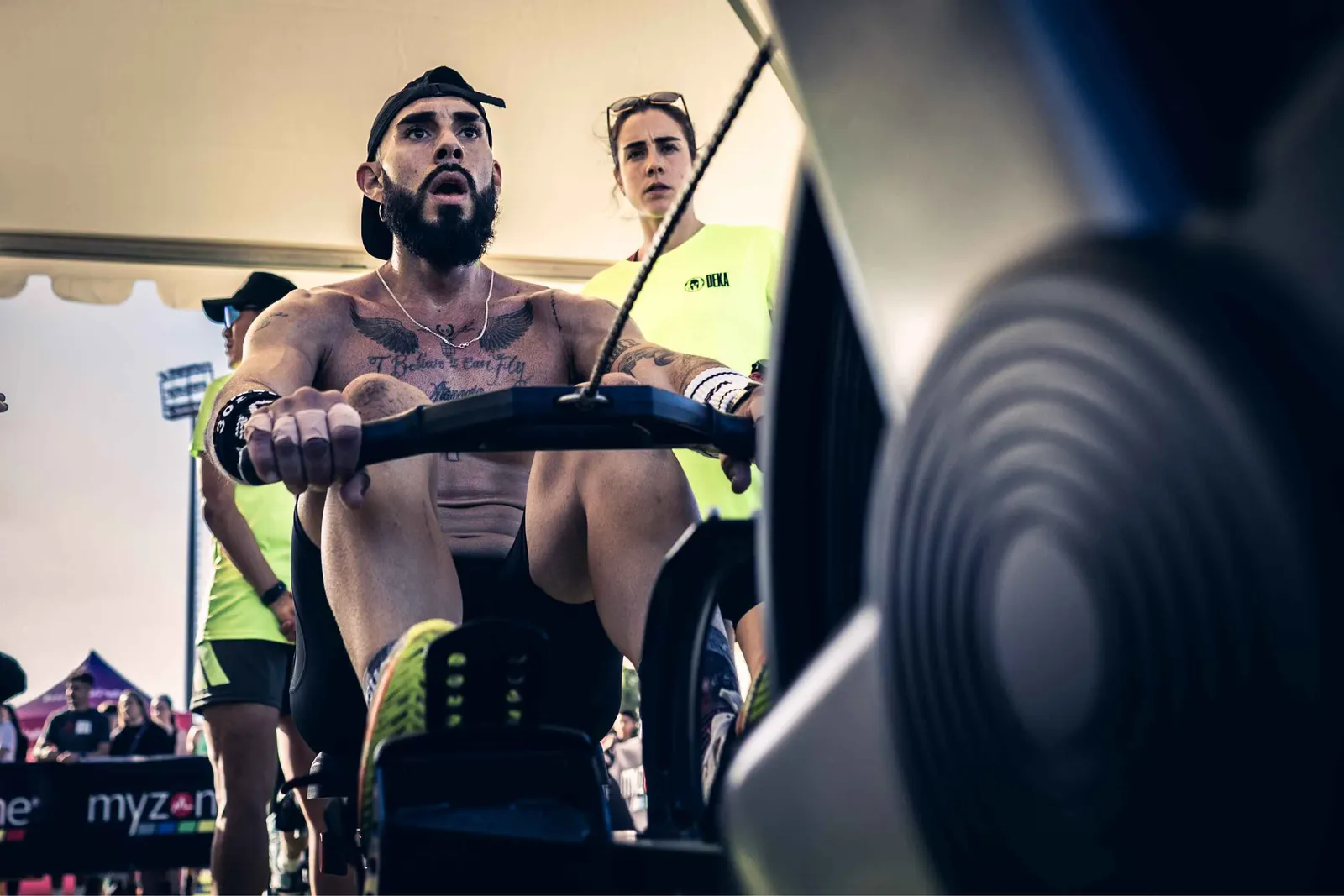
Service guide
Hydration before, during and after a race
Arrive well hydrated without forcing fluids down, drink when you are thirsty during most races and rehydrate calmly once you finish. Drinking too little takes its toll, but so does drinking too much. Here are the general principles; for your own case, talk to a doctor or a registered dietitian.
Hydration in 30 seconds
- Before
- Drink normally in the days before, no last-minute chugging
- During
- In most races, drink to thirst
- Aid stations
- Use them calmly and test in training what you will take
- Watch out
- Drinking too much is a risk too
- After
- Rehydrate gradually, with water and food
- Your case
- Ask a doctor or a registered dietitian
Arriving hydrated without overdoing it
Being well hydrated on the start line is not something you fix on race morning; it comes from drinking normally in the days before. There is no need to force water down: if you drink as usual, eat a varied diet and your urine is a pale colour, you are on the right track.
The classic mistake is the opposite of what people fear: downing bottle after bottle just before the start in case you run short. All it does is fill your stomach and send you looking for a toilet in the start pen, with no benefit at all.
The most useful thing is to repeat the routine you already know from your long training sessions: the same breakfast, the same drink and a few sips before the start if you feel like it.
During the race: drink to thirst
For most runners in most races, thirst is a good guide. If you are thirsty, drink; if you are not, there is no need to force yourself every kilometre. It is a simple way to avoid both drinking too little and drinking too much.
In short events, such as a local fun run or a DEKA MILE, many people do not need to drink anything while racing. Longer events are a different story, and there it pays to have practised what and how you drink beforehand.
Aid stations and how to use them
Aid stations are there to help you, not to make you stop at every one. Check the race guide beforehand to see where they are and what they offer (water, sports drink, fruit…), so you know what to expect and nothing catches you off guard.
When you reach one, do not dive at the first table: there are usually more cups a few metres further on. Grab a cup, pinch the rim so it does not spill and sip while you walk a few steps. Dropping cups where the organisers ask you to is part of the race too.
- Check which drink will be served and try the same or a similar one in training.
- If you carry your own drink or gels, stick to ones you already know.
- A sip when you are thirsty beats half a cup out of obligation.
Why drinking too much is also a risk
For years the advice was to drink as much as possible. We now know that drinking far more than you lose can dilute the salt in your blood, a condition that in serious cases is called hyponatraemia and needs medical attention. It is uncommon, but it mostly happens during long efforts and to people who keep drinking without being thirsty.
Signs such as swollen hands or belly, nausea, headache or feeling confused should never be ignored, whatever the cause. If you notice them, stop and tell the race medical staff.
Sweat, salt, heat and long efforts
When you sweat you lose not only water but some salt as well. Everyone sweats differently: some finish with white salt marks on their kit, others barely sweat at all. That is why no single amount works for everybody.
In the heat you sweat more and feel thirsty sooner, so pay closer attention: make use of the aid stations, cool down by pouring water over yourself if the organisers allow it and adjust your pace. In long efforts, such as a trail race, a marathon or an obstacle race lasting many hours, many athletes use drinks with salts or electrolytes.
If you plan to do so, try it during your long training sessions and, if you are unsure what suits you, ask a professional well before the race, not on the day.
After the race: rehydrate calmly
Once you cross the finish line, drink at an easy pace and have something to eat with it. Food also provides water and salt, and helps your body replace what it lost without having to gulp everything down at once.
Keep the habit for the rest of the day: drink when you are thirsty and check that your urine returns to its usual pale colour. If you are racing again the next day, the afternoon before is part of your preparation.
This is not medical or nutrition advice
Pulse is not a medical or nutrition service. This article is general information for healthy runners and does not replace an assessment by a professional.
If you have a medical condition (heart, kidney, diabetes, blood pressure…), take any medication or are facing a very long or very hot event, see your doctor or a registered dietitian to find out how you should hydrate in your case.
Hydration FAQ
Do I have to drink at every aid station?
Not necessarily. In most races, drinking when you are thirsty is enough. Aid stations are there so you can, but you do not have to stop at every one, especially over short distances or in mild temperatures.
Is it bad to drink a lot of water right before the start?
Forcing down lots of water just before the start gives you no advantage: it fills your stomach and sends you to the toilet. It is better to arrive hydrated by drinking normally in the days before and to take only a few sips beforehand.
Do I need drinks with salts or electrolytes?
In short races, usually not. In long efforts or in strong heat, many athletes use them. It depends on the person and the event, so try them in training and, if you are unsure, ask a professional.
How do I know I have rehydrated after the race?
A simple reference is that your thirst goes away and your urine is a pale colour again. Drink calmly, eat something and do not try to make up for everything at once. If you feel unwell, go to the medical staff.
Can Pulse tell me how much I should drink?
No. Pulse is not a medical or nutrition service, and this article is general information only. To find out how to hydrate in your case, especially if you have a medical condition, take medication or are doing a very long event, consult a doctor or a registered dietitian.
Keep reading
 NutritionWhat to eat before, during and after a Spartan or DEKA, why you should try nothing new on race day, and how the Pulse personalised supplementation plan works.Read →
 NutritionHow to eat in the week before a 10K, a marathon, a Spartan or a DEKA: familiar meals, more carbs at the end, the night before, eating out and alcohol.Read →
- NutritionWhen to eat before a race, which foods tend to sit well, what to avoid, coffee and how to rehearse it. General information, not medical or nutrition advice.Read →
Drink with your head
Arrive hydrated without overdoing it, drink to thirst, use the aid stations calmly and recover once you finish. And if you have any doubts about your own case, ask a doctor or a registered dietitian.